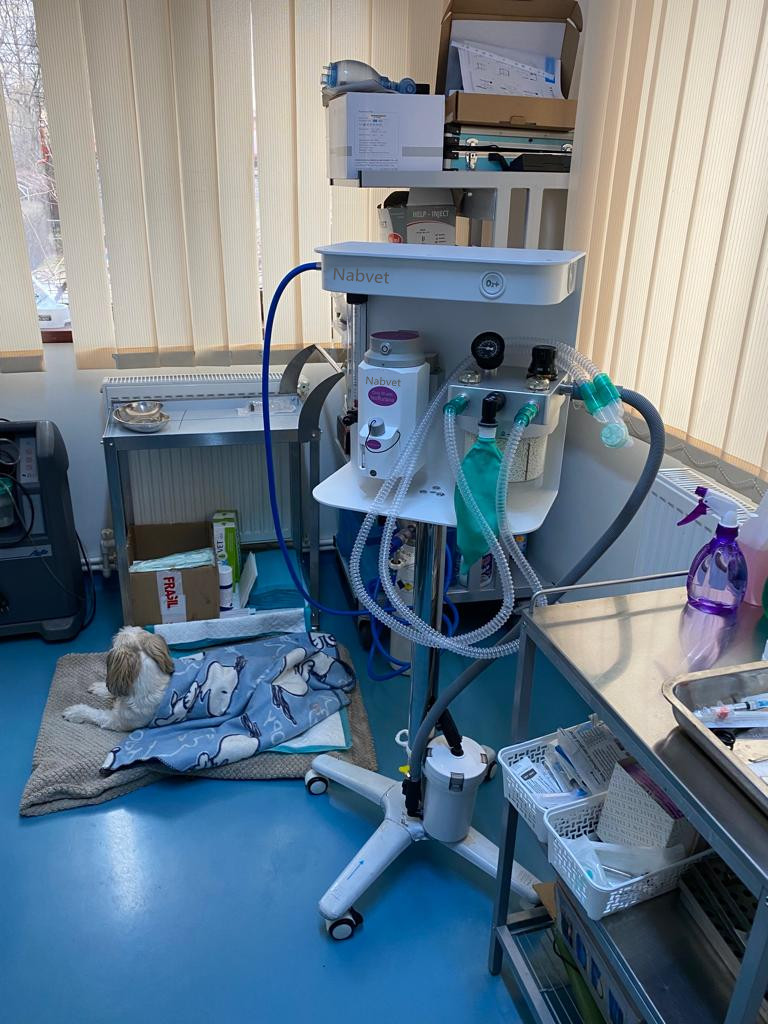
Confused by how non-rebreathing circuits manage CO2 without an absorber? Using the wrong flow rate can lead to serious complications for small patients. Understanding its high-flow principle is key.
A veterinary non-rebreathing circuit works by using a high flow of fresh gas (oxygen and anesthetic) to flush the patient's exhaled carbon dioxide out of the system1. This simple design eliminates the need for a CO2 absorber and one-way valves2, offering low breathing resistance for small animals3.
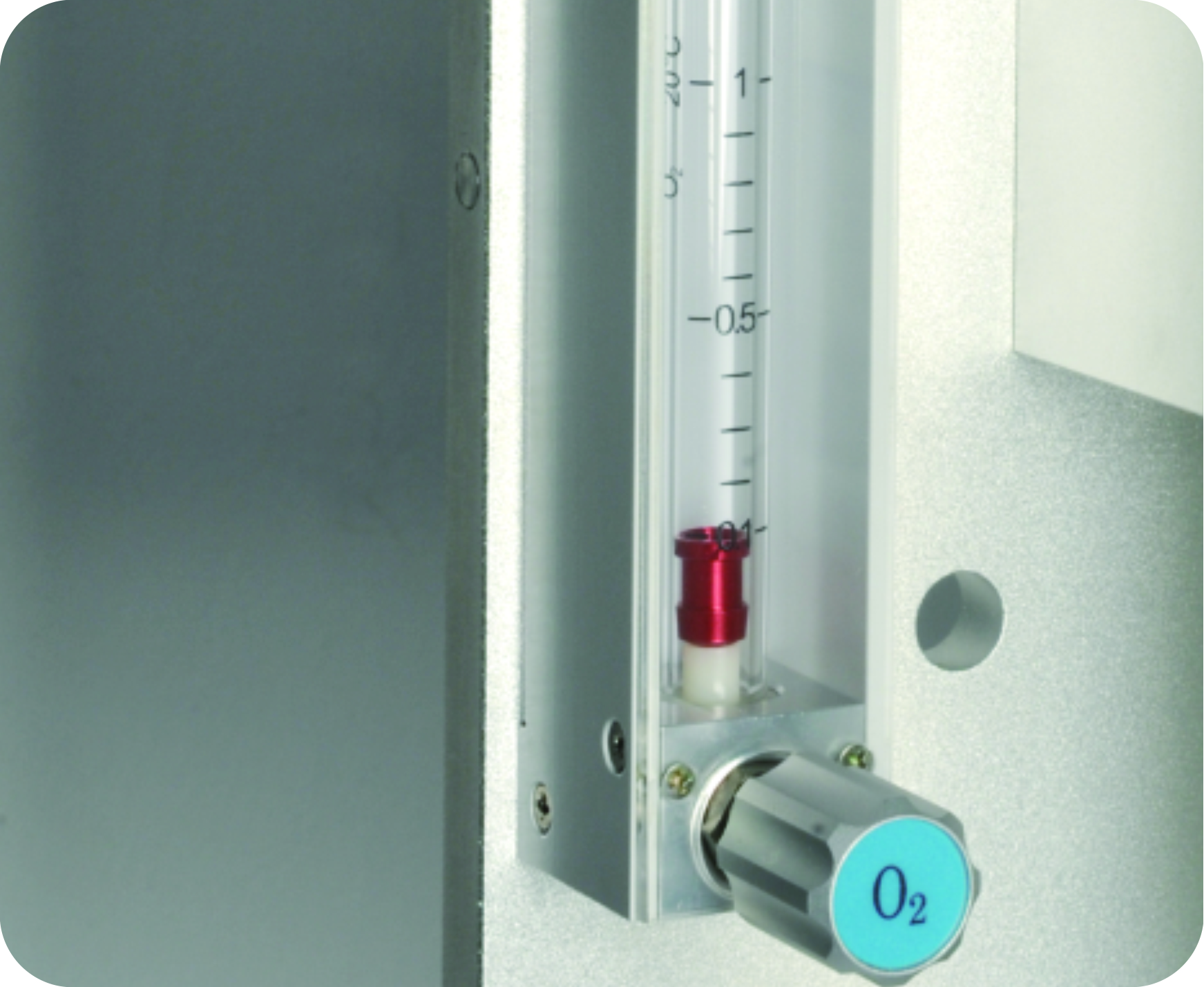
It seems simple, right? A continuous flow of gas pushes everything out. But this simplicity is where the details really matter. Over my years of manufacturing and talking with vets, I've learned that mastering the non-rebreathing circuit isn't just about turning on the gas. It's about understanding the delicate balance between flow, patient size, and safety. Let's break down exactly what makes this system so unique and why those details are so critical for your smallest patients.
Why Is High Fresh Gas Flow So Crucial in a Non-Rebreathing System?
Worried about your small patient rebreathing dangerous CO2 during surgery? An incorrect gas flow rate fails to clear exhaled gases, leading to hypercapnia. A sufficiently high fresh gas flow is the only mechanism preventing this.4
High fresh gas flow is essential because it's the sole mechanism for removing exhaled carbon dioxide. Unlike rebreathing systems, there's no absorber. The continuous, high-volume flow physically pushes waste gases out through the scavenge port, ensuring the patient only inhales fresh, anesthetic-rich gas.
 and waste anesthetic gas your patient exhales. The "stream of water" is the fresh gas flow (FGF) you set on the machine.
The Role of Flow Rate
The FGF must be high enough to completely replace the volume within the breathing tube before the patient takes their next breath. If the flow is too low, pockets of exhaled gas linger. The patient then inhales a mix of fresh gas and their own waste CO2. This is a direct path to hypercapnia5, a dangerous buildup of CO2 in the blood.
Calculating the Right Flow
As a manufacturer, I've seen how crucial proper calculation is. The generally accepted formula for FGF in non-rebreathing systems is based on the patient's minute volume (MV), which is their tidal volume multiplied by their respiratory rate. A common rule of thumb is to set the FGF at 1.5 to 3 times the patient's MV.6
| Patient Weight | Typical Minute Volume (MV) | Recommended FGF (1.5-3x MV) |
|---|---|---|
| < 2 kg | 0.2 - 0.4 L/min | 0.3 - 1.2 L/min |
| 2 - 5 kg | 0.4 - 1.0 L/min | 0.6 - 3.0 L/min |
| 5 - 7 kg | 1.0 - 1.4 L/min | 1.5 - 4.2 L/min |
This high flow ensures a complete washout, but it also brings other factors into play, which we'll explore next.
What Are the Real Advantages of Such a Simple Design?
Struggling with bulky, complex circuits for your tiniest patients? High resistance in standard circuits can exhaust small animals, making breathing difficult. The non-rebreathing circuit's simple design offers minimal resistance and rapid control.
The main advantage is its extremely low resistance to breathing. With no one-way valves or CO2 absorber canister to push air through, small patients under 7kg can breathe easily7. This simplicity also allows for very rapid changes in anesthetic depth, as the fresh gas reaches the patient almost instantly.
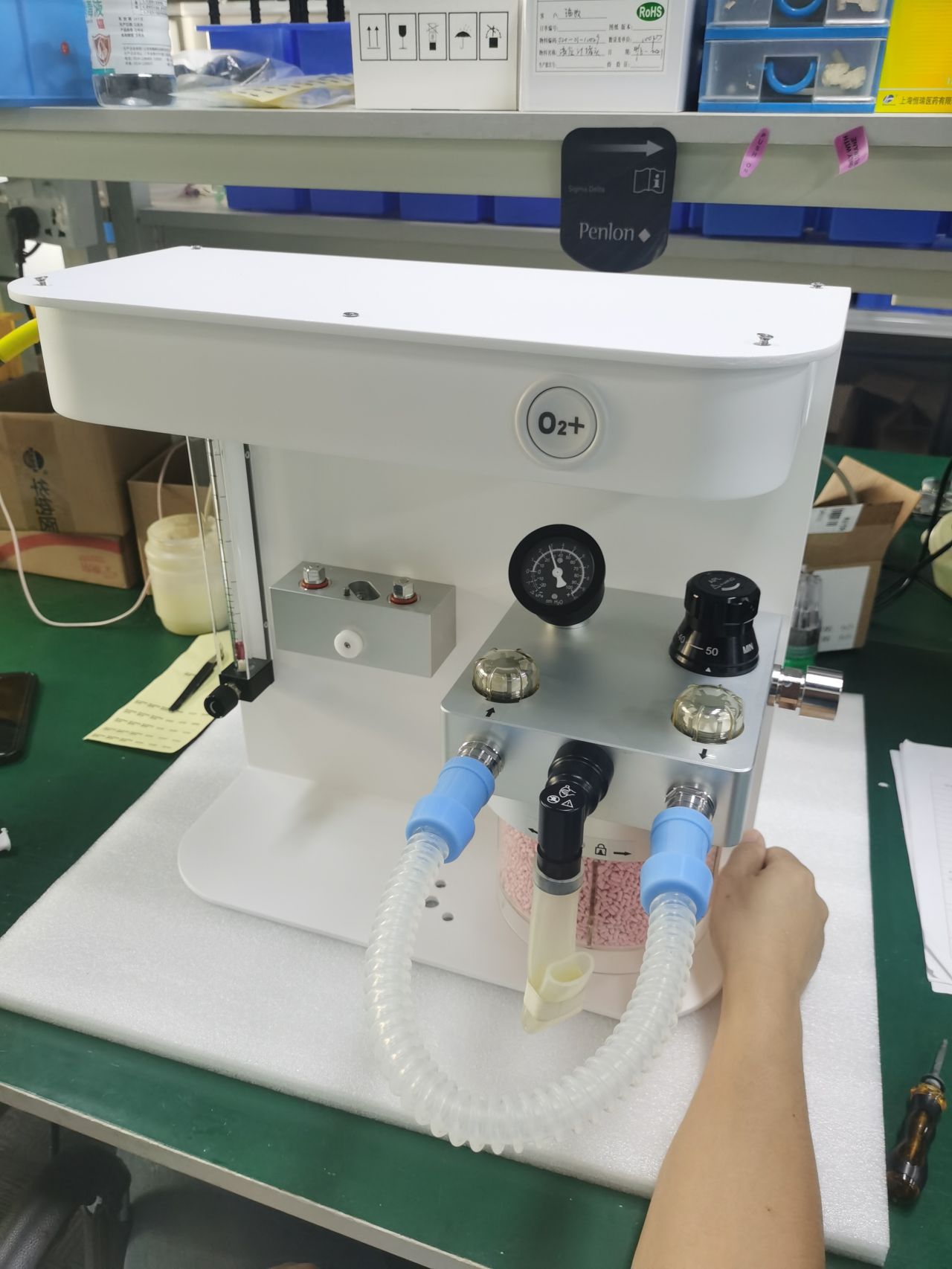
When I talk to veterinarians who work with exotic pets or very small puppies and kittens, the conversation always comes back to breathing resistance. Imagine a tiny kitten trying to breathe through a system designed for a 30kg dog. It's like us trying to breathe through a long, narrow straw. It's exhausting and inefficient.
Why Low Resistance Matters
The non-rebreathing circuit solves this problem. Its design is beautifully simple, often just a tube within a tube (like a Bain circuit) or a simple T-piece (like an Ayre's T-piece). There are no moving parts for the patient's breath to overcome.
- No Unidirectional Valves: These valves, present in circle systems, require a certain pressure to open. Small patients may not generate enough pressure, leading to hypoventilation.
- No CO2 Absorber: Pushing gas through a canister of soda lime granules creates significant drag. The non-rebreathing circuit bypasses this completely.
Rapid Anesthetic Control
Another key benefit I've engineered into our systems is responsiveness. Because the circuit has a very small internal volume and a high gas flow, any change you make on the vaporizer is reflected in the gas the patient breathes almost immediately8. This gives the anesthetist precise, real-time control over the anesthetic depth, which is vital during delicate procedures on small, fragile patients. This quick response time is a safety feature you just don't get with the larger volume of a circle system.
What Are the Hidden Dangers of Using a Non-Rebreathing Circuit?
Assuming a non-rebreathing circuit is foolproof because it's simple? That simplicity hides risks like severe patient heat loss and wasted anesthetic gas. Understanding its drawbacks is the first step to using it safely.
The primary dangers are patient hypothermia and hypercapnia if the flow rate is too low. The high flow of cold, dry gas can rapidly cool small patients.9 Economically, it's also inefficient, as large volumes of expensive anesthetic gas and oxygen are vented directly into the scavenging system.
Simplicity can be deceiving. Over the years, I've emphasized to our distributors that the non-rebreathing circuit demands constant vigilance from the user. It's not a "set it and forget it" system. The very thing that makes it work—high fresh gas flow—is also the source of its biggest risks.
The Problem of Heat and Moisture Loss
Think about the gas coming from the cylinder. It's cold and has zero humidity. When you push that gas at a rate of 2-3 liters per minute over a tiny patient's airway, you create a powerful cooling and drying effect. The patient's body has to work overtime to warm and humidify that gas, leading to a rapid drop in core body temperature. For a 1kg kitten, this can quickly become life-threatening. This is why active patient warming is not optional; it's a requirement when using this circuit.10
Economic and Environmental Costs
Let's also talk about waste. Every liter of gas you send through the circuit is used once and then immediately scavenged.
| System Type | Gas Flow for 5kg Patient | Anesthetic Use | Oxygen Use |
|---|---|---|---|
| Non-Rebreathing | ~2.0 L/min | High | High |
| Rebreathing (Circle) | ~0.5 L/min | Low | Low |
You are venting a significant amount of expensive anesthetic vapor and oxygen. This not only increases the cost of the procedure but also has a larger environmental footprint11. This trade-off—patient safety for small animals versus cost and waste—is a critical consideration for any clinic.
When Should You Choose a Non-Rebreathing Circuit Over a Rebreathing One?
Not sure which breathing circuit is right for your next patient? Choosing the wrong one can compromise patient safety and procedural efficiency. The patient's weight is the clearest and most important factor.
The non-rebreathing circuit is the standard of care for patients weighing less than 7 kg (about 15 lbs). Its low breathing resistance is ideal for them. For larger patients, a rebreathing (circle) system is more economical and better conserves heat and moisture.
In my decade of manufacturing these devices, the clearest rule I've seen clinics follow is based on patient weight. It's a simple, effective guideline that prioritizes patient safety. The functional dead space and resistance of a rebreathing system are just too much for a very small animal to handle.
The Weight-Based Decision
Here's a breakdown I often share with new distributors to help them guide their clients. This isn't just a suggestion; it's a widely accepted best practice in veterinary anesthesiology.
- Patients Under 7 kg (~15 lbs): Always use a non-rebreathing circuit. This category includes most cats, puppies, kittens, and exotic animals. The primary concern here is the patient's ability to breathe spontaneously against the resistance of the circuit. A non-rebreathing circuit minimizes this effort.
- Patients Over 7 kg (~15 lbs): A rebreathing (circle) system is generally preferred. These larger animals have the respiratory strength to handle the one-way valves and CO2 absorber. The benefits of conserving heat, moisture, anesthetic gas, and oxygen become the priority.
Special Cases and Considerations
Of course, there are exceptions. A very debilitated 8kg dog might benefit from the lower resistance of a non-rebreathing circuit for a short procedure. However, the high gas flow required would be substantial. This is a clinical judgment call, but the 7kg mark is the industry-standard starting point for making the decision. It's about matching the equipment's capabilities to the patient's physiological needs.
Conclusion
In short, the non-rebreathing circuit uses high gas flow to ensure small patient safety. Understanding its principles, advantages, and risks is crucial for effective and safe veterinary anesthesia.
A veterinary anesthesia reference can verify that non-rebreathing systems rely on fresh gas flow rather than CO2 absorption to prevent rebreathing. ↩
A neutral anesthesia equipment source can document the design difference between non-rebreathing and circle systems. ↩
A veterinary anesthesia guideline or teaching resource can support the link between low resistance and use in small patients. ↩
A source should confirm that inadequate fresh gas flow permits rebreathing and adequate flow prevents CO2 accumulation. ↩
A veterinary anesthesia source can support that low flow leads to CO2 rebreathing and elevated blood CO2. ↩
A citation can verify the stated rule of thumb for calculating fresh gas flow in non-rebreathing circuits. ↩
A veterinary anesthesia guideline can support the common weight-based recommendation for choosing non-rebreathing systems. ↩
A citation can confirm that high flow and low volume make non-rebreathing systems respond quickly to vaporizer adjustments. ↩
A veterinary anesthesia or perioperative warming source can support the relationship between dry gas flow, heat loss, and hypothermia. ↩
A clinical guideline can substantiate the need for active warming to prevent peri-anesthetic hypothermia in small veterinary patients. ↩
Research or institutional sustainability guidance can support that higher fresh gas flows waste more anesthetic and increase emissions. ↩